Geraldton gets some of the strongest regular winds in WA. A fence that's fine in Perth can rattle, lean or fail here if it isn't specified properly. Here's what to check before you sign a quote.
Start with height and wind load
A taller fence catches more wind. Most residential boundary fences are 1.8 m, but on exposed blocks near the coast it's worth asking your installer how they'll handle the extra load. See our steel fencing options for the heights we install.
Things that make a fence stronger
- Closer post spacing on exposed runs
- Deeper concrete footings in sandy soil
- Heavier-gauge posts and rails
- Proper bracing at corners and gates
Questions to ask your installer
- How deep will the post holes be, and are they concreted?
- What post spacing do you use on this block?
- Is the steel suitable for coastal conditions?
“We set every post like the sea breeze is coming, because in Geraldton it always is.”
Archie's Geraldton install team
Sheet or slat?
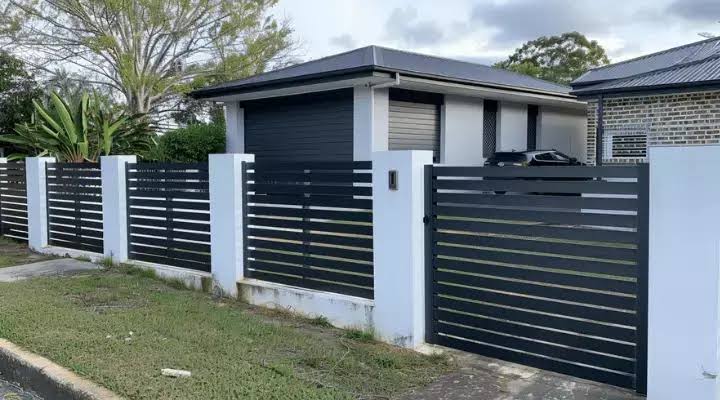
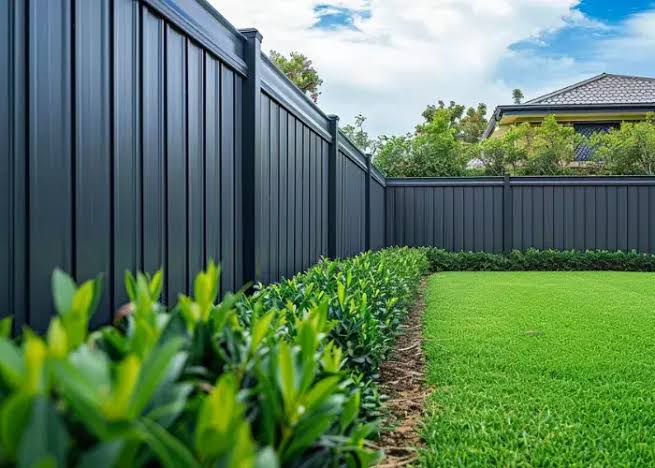
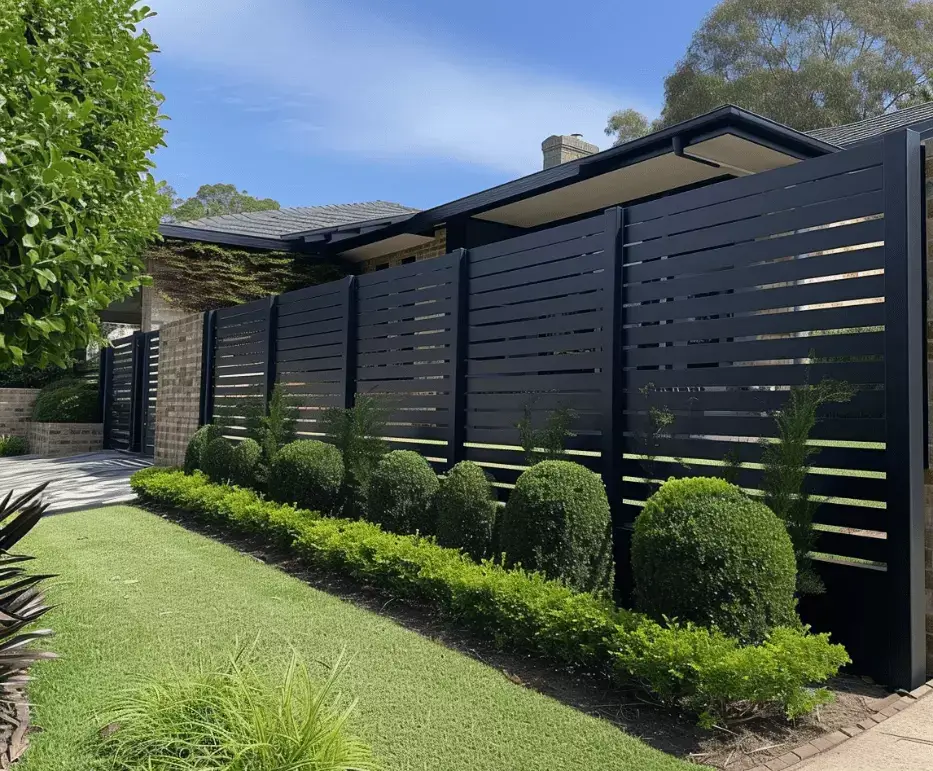
Solid sheet fencing gives the most privacy but takes the full force of the wind. Slat fencing lets some air through, which reduces the load and suits front yards and screens.
| Feature | Sheet fencing | Slat fencing |
|---|---|---|
| Privacy | Full | High, with small gaps |
| Wind load | Higher | Lower |
| Best for | Side and rear boundaries | Front yards, screens, pools |
| Relative cost | $ | $$ |
A note on colour
Darker colours like charcoal hide dust and red earth well, but get hotter in summer. If the fence runs along a garden bed, a mid grey can be kinder to your plants.
Get it quoted properly
A good quote lists the height, post spacing, footing depth, colour and whether removal of the old fence is included. If any of that is missing, ask.